
HIGH-PRESSURE RE-QUALIFYING
High-pressure cylinders must be requalified at regular intervals to ensure safe performance under pressure. At Everguard Fire Safety, we provide expert hydrostatic testing and requalification services for a wide range of cylinders used in fire protection, industrial, medical, and commercial applications.
Whether you’re using SCBA cylinders in emergency response, CO₂ cylinders in fire suppression systems, or oxygen cylinders in medical settings, we’ll help ensure your equipment remains safe, certified, and ready for use.
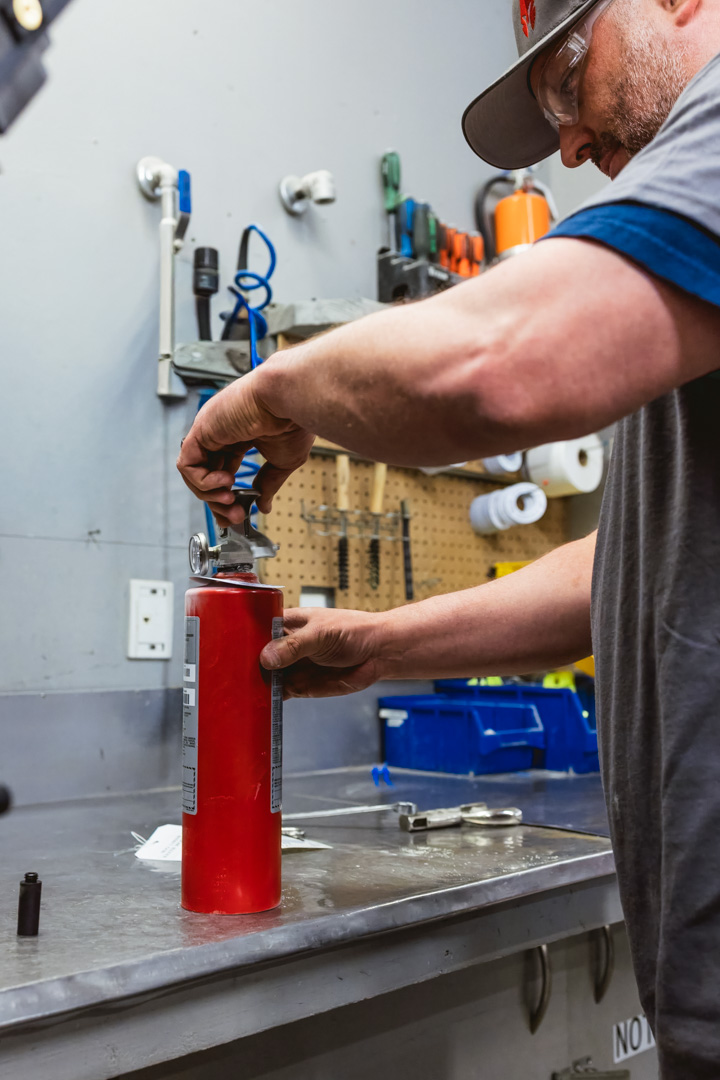
What Is Cylinder Re‑qualifying?
Cylinder requalification, also known as hydrostatic testing, is a process used to evaluate the structural integrity of high-pressure cylinders.
Our process includes:
- Internal and external visual inspection to check for corrosion, dents, or damage
- Hydrostatic pressure testing to measure cylinder expansion under pressure
- Marking and labeling each cylinder with requalification details
- Detailed reporting for compliance and record-keeping
If a cylinder fails testing, it is either removed from service or can be repaired and retested if applicable.
Our Re‑qualification Process
Every cylinder goes through a structured and thorough requalification process to ensure it meets safety standards and is fit for continued use:
- Visual Inspection: We begin with a detailed external and internal inspection to check for signs of corrosion, dents, cracks, or any other physical damage that may compromise the cylinder’s integrity.
- Hydrostatic Testing: Using a controlled water displacement method, we pressurize the cylinder to assess its ability to withstand internal pressure without permanent deformation.
- Marking & Identification: Once a cylinder passes testing, we apply updated markings- this includes the new test date and our official requalifier number for tracking and regulatory compliance.
- Compliance Documentation: A full report is generated for your records, detailing the results of the inspection and testing. This documentation is essential for audits, maintenance logs, and workplace safety protocols.
- Repair or Disposal Guidance: If a cylinder fails inspection or testing, we’ll advise on the appropriate next steps—whether that’s repair (if permitted) or safe removal from service.
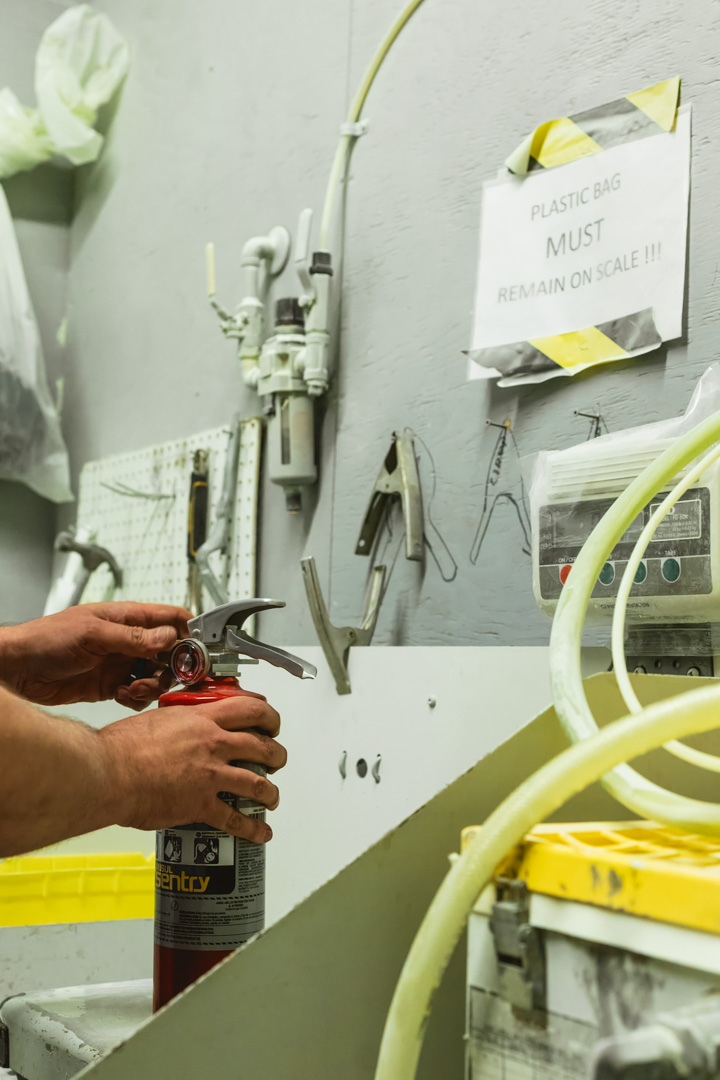
Types of Cylinders We Service
We requalify a full range of high-pressure cylinders, including:
- SCBA (Self-Contained Breathing Apparatus) cylinders
- SCUBA (Self-Contained Underwater Breathing Apparatus) tanks
- CO₂ cylinders used in fire extinguishers and suppression systems
- Oxygen and nitrogen cylinders for industrial or medical use
- Fire suppression system cylinders
- Industrial and specialty gas cylinders
- Pressure vessels requiring hydrostatic certification
Certified. Trained. Trusted.
At Everguard Fire Safety, we are:
- Certified by Transport Canada for hydrostatic testing and cylinder re-qualification
- Backed by decades of experience with hydrostatic testing across multiple facilities throughout Canada
- Factory Approved for cartridge recharging, refilling, and high-pressure testing of large-volume cartridges

Did You Know…
Hydrostatic Testing is needed every 5 to 12 years. This process ensures the cylinder is safe for use, fit for purpose.
Leave it to us to maintain your routine service schedule.
FREQUENTLY ASKED QUESTIONS ABOUT HIGH-PRESSURE CYLINDER RE-QUALIFYING
What is high-pressure cylinder requalification?
Cylinder requalification, also called hydrostatic testing, is a process used to verify that a high-pressure cylinder can safely hold and withstand internal pressure. This includes a visual inspection, pressure test, and re-marking of each cylinder to meet Transport Canada safety standards.
How often do high-pressure cylinders need to be requalified?
Most high-pressure cylinders must be requalified every 5 to 12 years, depending on the cylinder type, material, and manufacturer’s specifications. Regular testing ensures the cylinder remains safe, compliant, and ready for continued use.
What types of cylinders does Everguard test and certify?
Everguard requalifies a wide range of cylinders, including SCBA, SCUBA, CO₂, oxygen, nitrogen, and industrial gas cylinders, as well as fire suppression system cylinders and other pressure vessels that require hydrostatic certification.
What happens during the hydrostatic testing process?
During hydrostatic testing, each cylinder undergoes a visual inspection and controlled pressurization with water to measure how it expands under pressure. Cylinders that pass are re-marked with a new test date and certification number, while those that fail are either repaired or safely removed from service.
Why choose Everguard Fire Safety for cylinder requalification?
Everguard Fire Safety is Transport Canada–certified and backed by decades of hydrostatic testing experience across multiple Canadian facilities. We’re also factory-approved for refilling and cartridge recharging, ensuring your high-pressure equipment is serviced to the highest safety and compliance standards.