What Is a Fire Inspection?
A fire inspection is a comprehensive review of your building’s fire protection systems, equipment, and safety practices to ensure compliance with the National Fire Code of Canada (NFC) and provincial regulations.
These inspections may be conducted by:
- Certified fire protection companies (like Everguard)
- Fire departments or local authorities
- Insurance or compliance auditors
The goal is simple: reduce risk, protect occupants, and ensure legal compliance.
What Inspectors Check During a Fire Inspection
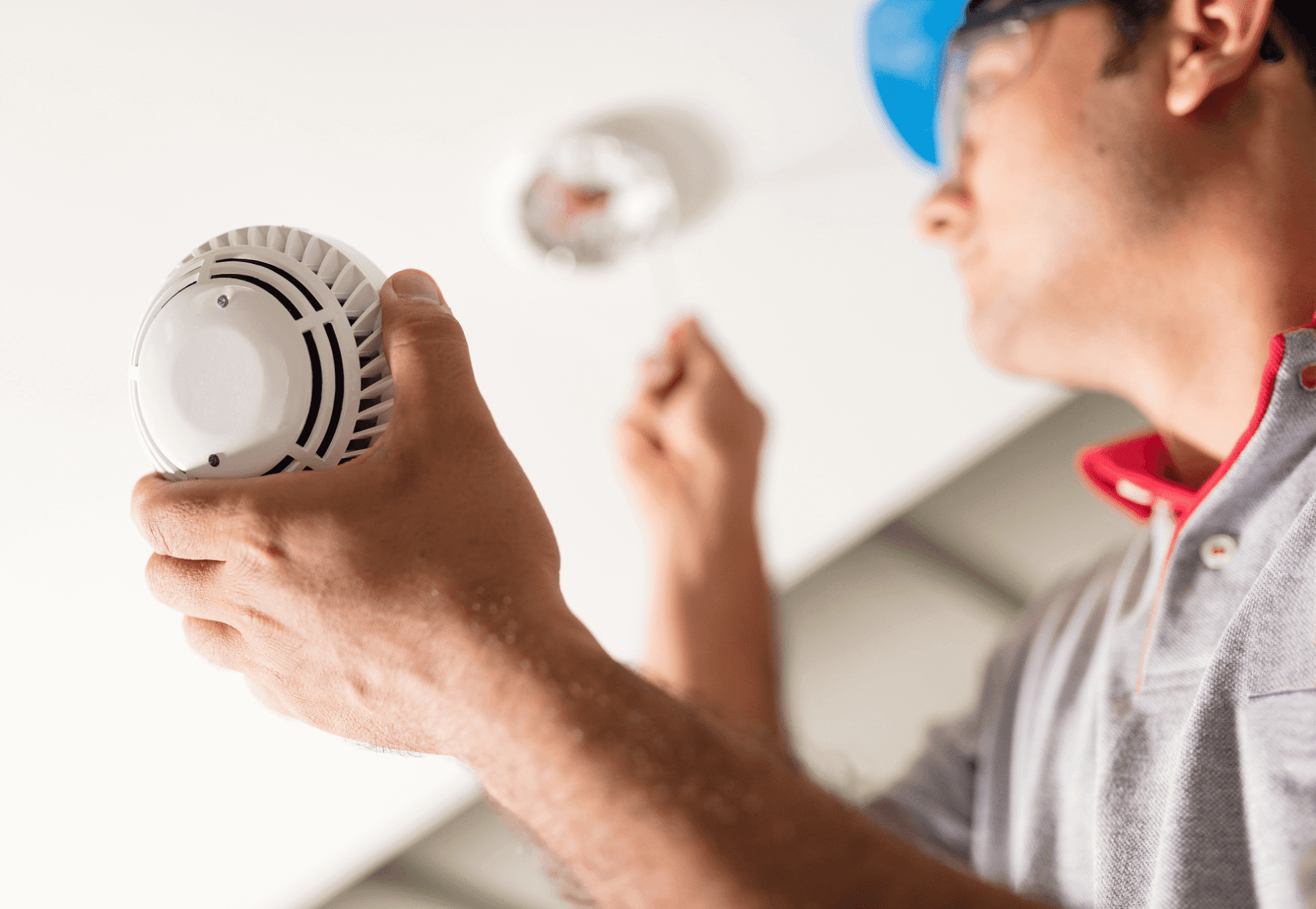
A fire inspection is a multi-point assessment of all life safety systems in your building.
1. Fire Extinguishers
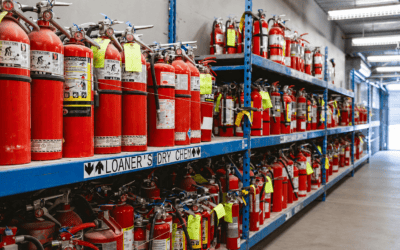
Fire extinguishers are one of the first things inspectors check.
During an inspection, technicians will:
- Verify extinguishers are accessible and not blocked
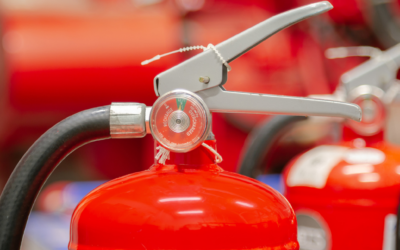
- Check that pressure gauges are in the operable range
- Inspect for physical damage, corrosion, or leaks
- Confirm proper mounting height and signage
- Ensure inspection tags are up to date
In Canada, fire extinguishers require:
- Monthly visual checks (in-house)
- Annual inspection by a certified technician
- Internal servicing every 6 years and hydrostatic testing every 5–12 years depending on type
2. Emergency Lighting & Exit Signs
Emergency lighting plays a critical role in safe evacuation during power outages or fires.
During an inspection, technicians will:
- Perform a full-duration test to ensure lights stay on during outages
- Test batteries, bulbs, and remote heads
- Inspect exit signage, including green running man signs
- Verify proper placement and visibility along exit routes
- Confirm lights operate for the required duration (typically 90 minutes)
These inspections follow Canadian standards and typically occur annually, with additional monthly checks required in many jurisdictions.
3. Fire Alarm Systems
Fire alarms are a major part of most inspections.
Inspectors will:
- Test alarm activation and audibility
- Check pull stations and smoke detectors
- Verify monitoring connections
- Ensure signals reach the fire panel and monitoring service
Fire alarm systems must be tested annually and maintained according to Canadian standards.
5. Exit Routes & General Safety
Fire inspections also include a walkthrough of the building itself.
Inspectors look for:
- Clear, unobstructed exits and hallways
- Proper signage and lighting along escape routes
- Safe storage of flammable materials
- Electrical hazards or code violations
- Fire doors functioning and closing properly
Even the best equipment won’t help if occupants can’t exit safely.
What Happens After the Inspection?
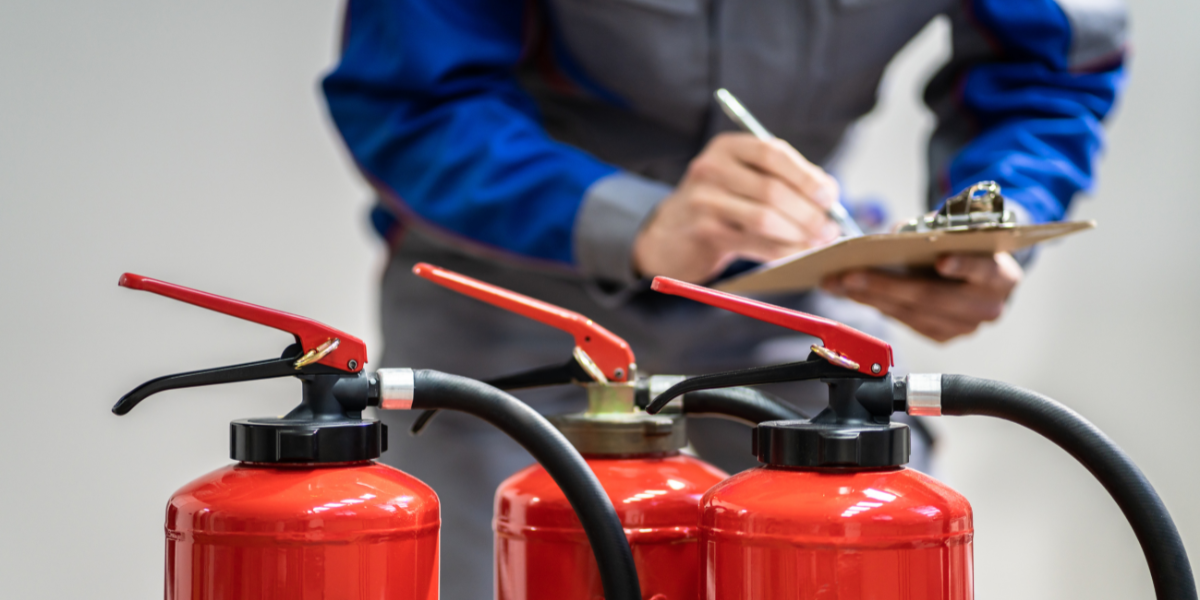
After the inspection, you’ll receive a detailed inspection report outlining:
- Equipment tested and results
- Pass/fail status for each system
- Deficiencies or code violations
- Recommended repairs or replacements
Professional providers like Everguard also provide digital reports for compliance records, insurance, and fire marshal reviews
If issues are found, you’ll need to correct them within a specified timeframe to remain compliant.
How Often Are Fire Inspections Required in Canada?
Inspection frequency depends on the system:
- Fire extinguishers: Monthly (visual) + annual (certified)
- Emergency lighting: Monthly checks + annual testing
- Fire alarms: Annual testing
- Sprinkler systems: Weekly to annual depending on components
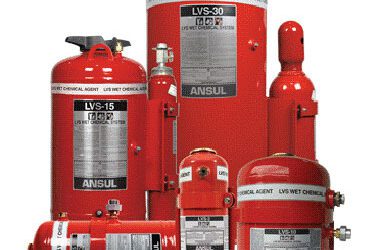
- Fire suppression systems: Often semi-annual
All requirements are based on the National Fire Code of Canada and local regulations.
Why Fire Inspections Matter
Regular fire inspections help you:
- Stay compliant with Canadian fire and building codes
- Reduce liability and avoid fines
- Ensure systems work during emergencies
- Protect occupants, assets, and operations
Failing an inspection can result in penalties or system failure during a real emergency.
Pro Tips to Prepare for a Fire Inspection
To avoid surprises:
- Keep all fire equipment accessible and visible
- Maintain a regular inspection schedule
- Document all maintenance and repairs
- Train staff on basic fire safety procedures
- Address minor issues before they become violations
Contact Everguard Fire Safety
A fire inspection is a critical safeguard for your people and property.
From fire extinguishers to emergency lighting, every system plays a role in protecting lives. Understanding what inspectors look for helps you stay proactive, compliant, and prepared.
If you’re unsure whether your building meets current standards, scheduling a professional inspection is the best place to start.
Frequently Asked Questions
- What is included in a fire inspection in Canada?
- A fire inspection in Canada typically includes a review of all major fire protection systems, such as fire extinguishers, emergency lighting, fire alarms, and sprinkler or suppression systems.
- Who can perform a fire inspection?
- Fire inspections can be performed by certified fire protection technicians, licensed fire safety companies like Everguard, or local fire authorities.
- What happens if you fail a fire inspection?
- If your building fails a fire inspection, you’ll receive a report outlining deficiencies or violations. You’ll typically be required to correct these issues within a specified timeframe. Failure to comply can result in fines, penalties, or increased liability.
- How long does a fire inspection take?
- The length of a fire inspection depends on the size and complexity of the building. Small commercial spaces may take 1–2 hours, while larger or multi-system facilities can take several hours or require multiple visits.
- Do fire inspections include documentation?
- Yes. After the inspection, you’ll receive a detailed report outlining what was tested, any deficiencies, and recommended actions. These records are important for compliance, insurance, and audits.