Regular inspections and servicing ensure that extinguishers remain in proper working condition and compliant with Canadian safety regulations.
Here’s a breakdown of what’s required for ongoing extinguisher maintenance, including which tasks can be handled internally and which require certified service.
Monthly Visual Inspections
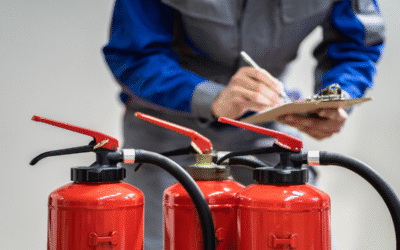
Under Canadian fire safety guidelines, all portable fire extinguishers must be visually inspected at least once per month. These inspections can be completed in-house by designated staff and are intended to catch obvious signs of damage or obstruction.
Each monthly check should confirm that:
- The extinguisher is visible and easily accessible
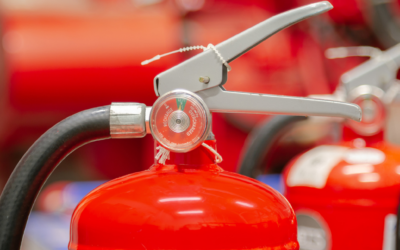
- The pressure gauge is in the correct range
- The safety pin and tamper seal are intact
- There are no signs of physical damage, corrosion, or leakage
- Signage and instructions are present and legible
While these checks don’t require a technician, they should be documented and kept on file as part of your overall fire safety program.
Annual Maintenance by Certified Technicians
In addition to monthly inspections, fire extinguishers must undergo a full maintenance check once every 12 months. This annual service must be carried out by a certified technician who will inspect the internal components, verify operability, replace seals, and ensure the correct type and amount of extinguishing agent is present. Each extinguisher should be tagged with the date of service and the next due date.
This level of maintenance helps ensure that extinguishers remain reliable and compliant with current codes and standards.
Long-Term Servicing Requirements
Depending on the type of extinguisher, additional servicing is required at specific intervals:
- Rechargeable extinguishers must be hydrostatically tested every 5 or 6 years to ensure the integrity of the cylinder.
- Non-rechargeable extinguishers must be replaced after 12 years from the date of manufacture.
Documentation and Recordkeeping
Accurate documentation is an important part of compliance. Each extinguisher should have:
- A service tag indicating the date of the last maintenance
- A log of monthly inspections
- Records of any hydrostatic testing or replacement
These records may be reviewed during fire inspections and contribute to overall workplace safety accountability.
If you have questions about servicing schedules, hydrostatic testing, or compliance requirements, our team is available to help.